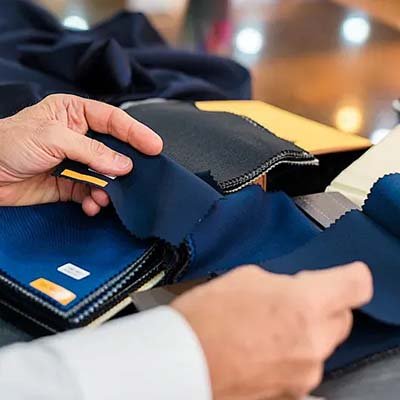

Washed and garment dyed T-shirts may look similar at first glance, but from a manufacturing perspective, they create different results in color character, texture, consistency, and production control. For brands developing vintage or premium basics, the choice between these two options can influence both the final product style and the stability of repeat production.
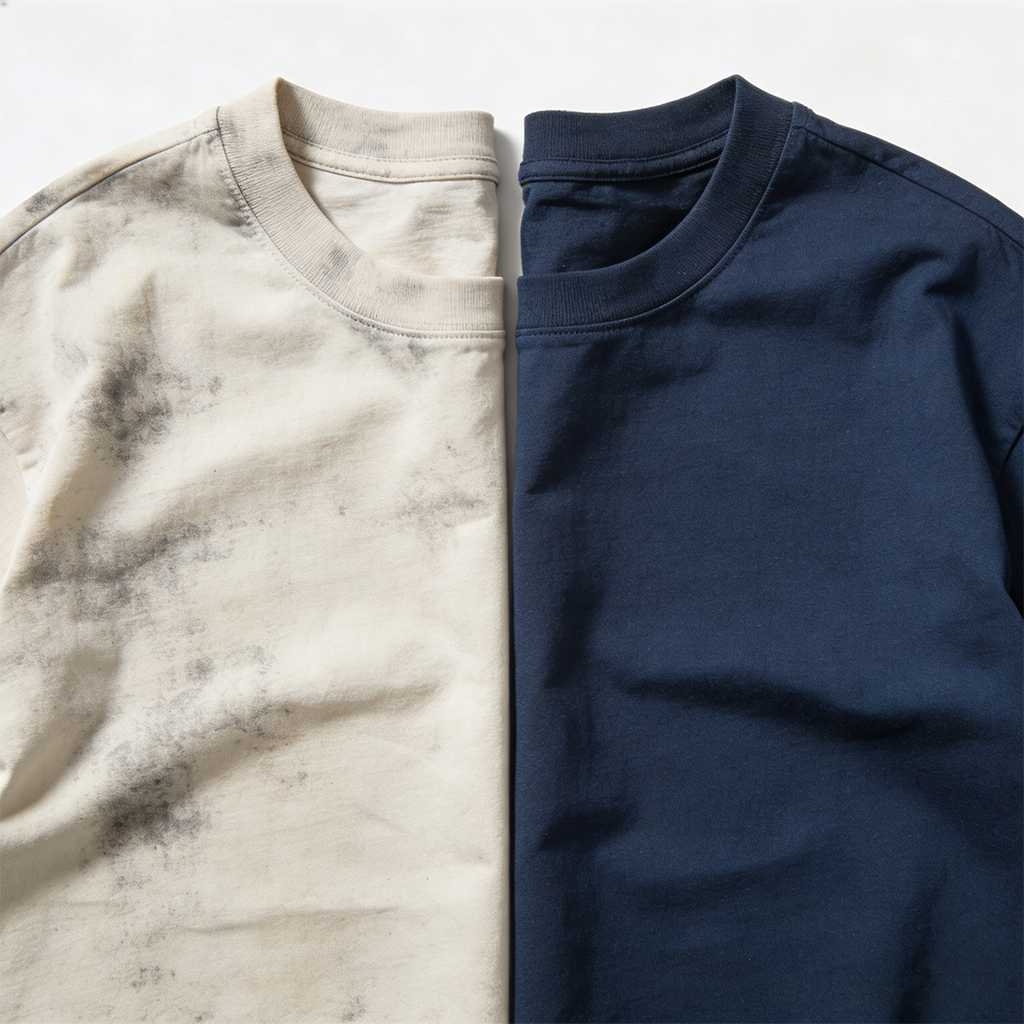
Understanding the difference matters because these two approaches do not just change appearance. They also change how a garment is positioned, how it behaves after processing, and how expectations should be managed during sampling and bulk production. For brands building a clear product identity, that distinction is important.

What Is a Washed T-Shirt?
A washed T-shirt usually refers to a garment that has gone through a washing process to soften the fabric, create texture, or produce a more worn-in visual effect. Depending on the wash method, the result may range from subtle softness to noticeable fading, surface variation, and vintage character.
Washed T-shirts are often chosen when the goal is to make the garment feel more relaxed, aged, or lived-in. This can be especially useful for streetwear, casual basics, and products where visual texture plays a role in the overall design language.

What Is a Garment Dyed T-Shirt?
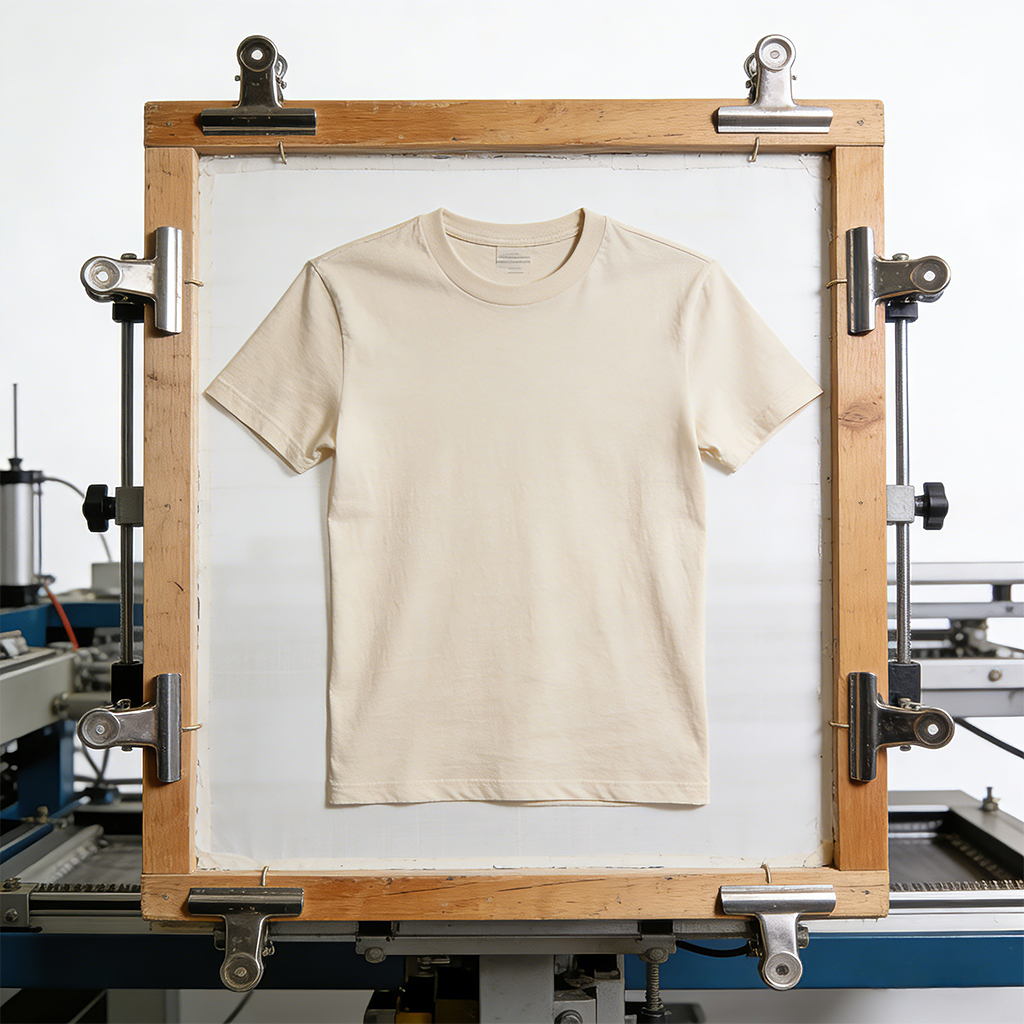
A garment dyed T-shirt is dyed after the garment has already been cut and sewn. This process creates a unique color effect and often gives the final piece a more finished and intentional surface appearance compared with standard fabric-dyed garments.
Garment dyeing is popular for brands that want rich, distinctive color identity and a more elevated casual look. It can create a softer hand feel as well, but its main strength is often the way it shapes color tone and visual personality in the finished garment.
Washed vs Garment Dyed for Brand Positioning
From a brand positioning standpoint, washed T-shirts often lean more casual, textured, and worn-in, while garment dyed T-shirts can offer stronger color identity and a more deliberate finish. The right choice depends on whether the brand wants the garment to feel aged and naturally softened or more color-driven and finished as part of the design concept.
A washed tee may support a more vintage or rugged direction, especially when combined with distressed graphics or relaxed silhouettes. A garment dyed tee may work better when the collection depends on color depth, tone variation, and a more refined but still casual visual style.
Which Option Is Safer for Low MOQ Testing
For low MOQ testing, choosing the safer option depends on the brand’s expectations for look consistency and product story. If the brand wants stronger vintage character, a washed effect may be more aligned with the concept. If the priority is more controlled color expression, garment dyeing may be easier to position during sample review. In either case, development should include clear wash or dye approvals before bulk production.
Small-batch testing is particularly useful here because it allows the brand to evaluate how the final look translates in a real garment rather than relying on verbal descriptions. This can reduce revision cycles and improve confidence before moving into larger quantities.
Production Consistency Risks in Bulk Orders
In bulk orders, both approaches need careful control, but the production risks may differ. Brands should pay close attention to shade variation, shrinkage, and repeatability when planning future replenishment. This is especially important for labels that want to restock bestsellers or keep a stable visual identity across multiple production runs.
With washed products, the challenge is often managing how much variation still feels intentional rather than inconsistent. With garment dyed products, color expectation and repeatability can become major discussion points. In both cases, clear approval standards and realistic communication are essential.
How Brands Should Choose Between Them
The decision should come back to product purpose. If the garment is meant to feel naturally aged, textured, and broken-in, a washed approach may be more suitable. If the product depends on a strong color story and a more deliberate finish, garment dyeing may offer the better route.
The best choice is not the one that sounds more premium in general. It is the one that best supports the visual identity, customer expectation, and production strategy of the collection. That is why sample review is so valuable when comparing the two.
Conclusion
Washed and garment dyed T-shirts can both create strong products, but they do so in different ways. Washed tees often deliver softness, texture, and vintage character, while garment dyed tees tend to emphasize color identity and a more intentional final finish.
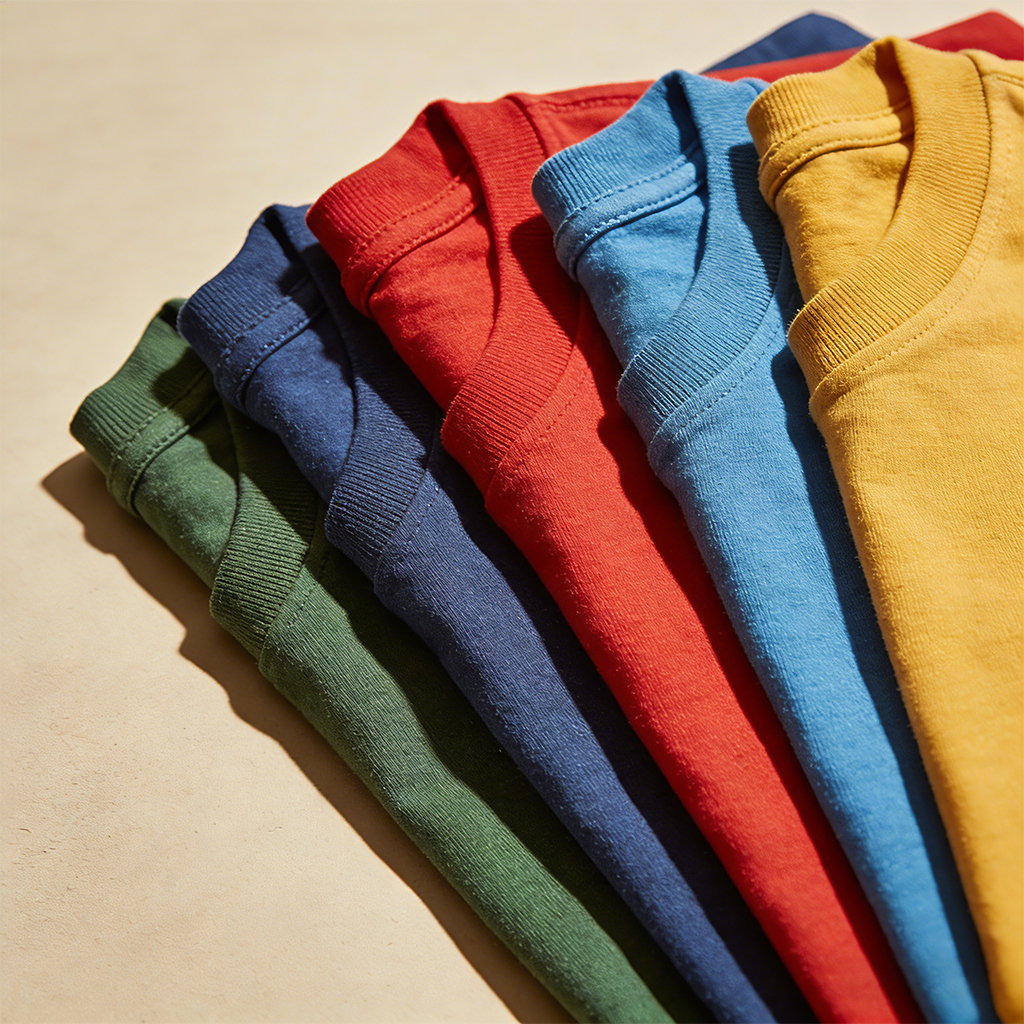
For brands developing premium basics or vintage-inspired programs, the smartest path is to compare both options through actual samples. That will reveal which direction best matches the intended look, feel, and production requirements of the collection.