
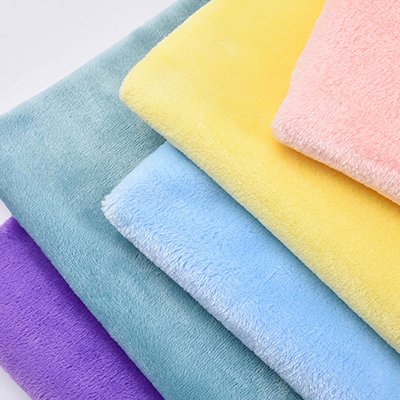
When developing custom hoodies, choosing between French terry and fleece is not simply a matter of softness or warmth. The decision affects seasonality, garment structure, print suitability, and how the hoodie fits into a brand’s product line. For private label brands and low MOQ projects, understanding the difference early can make sampling and production much more efficient.
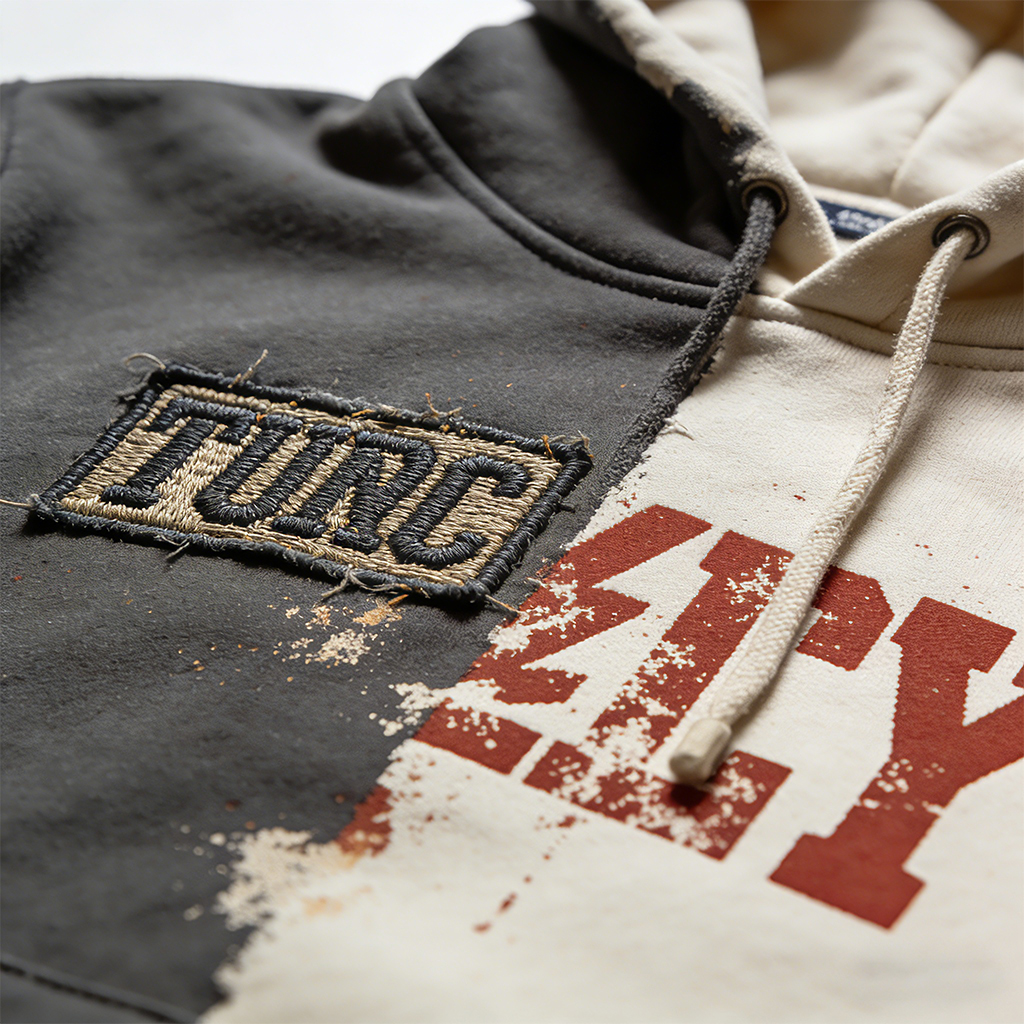
Both fabrics are common in hoodie manufacturing, but they support different product directions. A brand that wants clean layering and transitional wear may prefer one option, while another that wants warmth and comfort-focused appeal may choose the other. The better choice depends on the intended use, target market, and final product positioning.
What Is French Terry?

French terry is a knit fabric that typically has a smooth face and looped interior. It is often used for hoodies, sweatshirts, joggers, and other casual garments where comfort and moderate weight are important. Because the inside is looped rather than brushed, French terry usually feels lighter and more breathable than fleece.
In hoodie development, French terry is often associated with cleaner structure and better layering potential. It can work well for transitional weather, everyday streetwear, and products that need to feel substantial without becoming too warm. This makes it a flexible choice for brands that want broader seasonal use.
What Is Fleece?
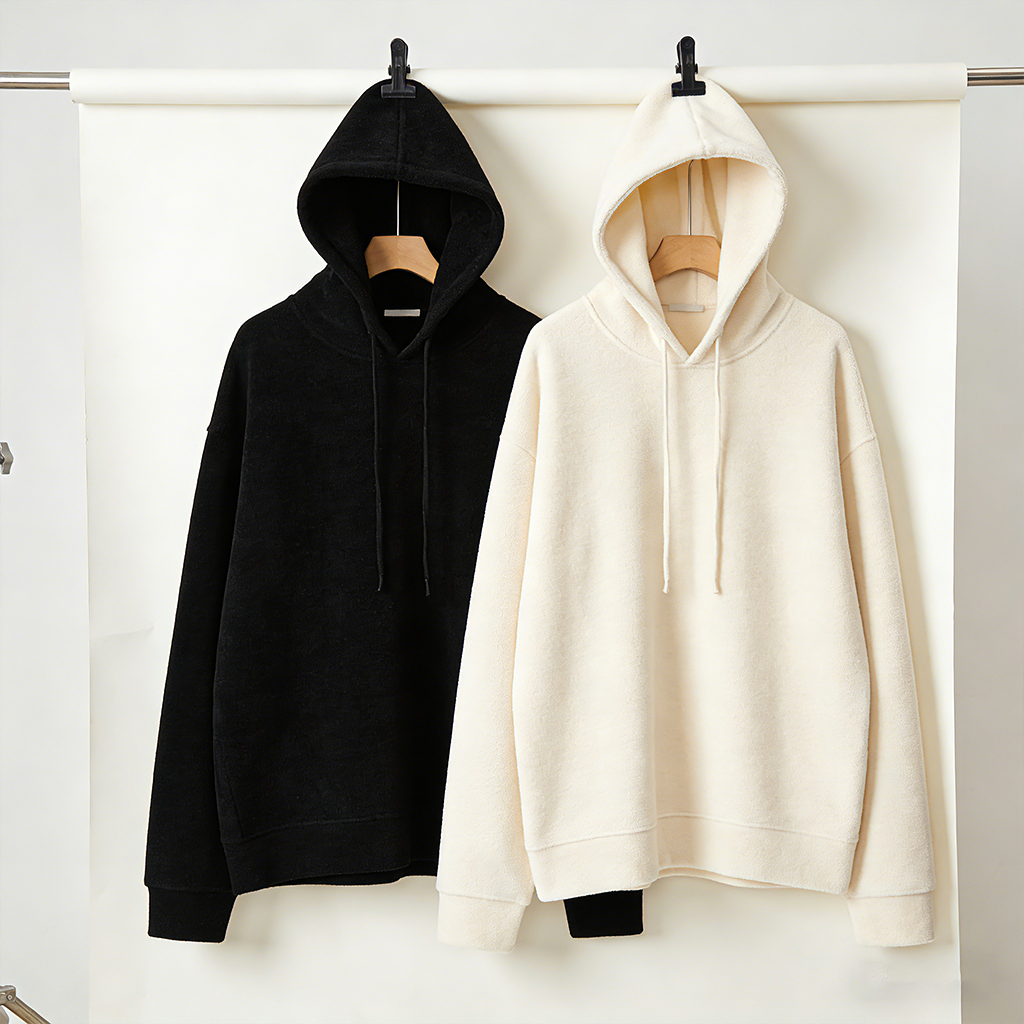
Fleece used in hoodie production usually refers to a brushed-back knit fabric with a soft interior surface. The brushing process creates a warmer and more comfort-driven hand feel, which is why fleece hoodies are often positioned for cooler seasons and cozy casual wear.
Because of its softness and warmth, fleece is highly popular in mainstream and comfort-focused apparel programs. It often feels more immediately plush than French terry, which can make it attractive for products designed around softness and warmth. However, it may also create a different visual and structural outcome depending on the fabric weight and garment construction.
Best Fabric for Private Label Hoodies
French terry and fleece serve different product goals. French terry is often chosen for transitional weather, cleaner layering, and a slightly lighter wearing experience, while fleece is more suitable for warmth-focused products and comfort-driven casual styles. For private label hoodie development, the right choice depends on how the brand wants to position the garment in terms of feel, weight, and seasonal use.
A brand that wants a more refined, streetwear-oriented hoodie may prefer French terry because of its cleaner body and more controlled structure. A brand focused on comfort basics or colder-weather appeal may find fleece more aligned with the customer experience it wants to create. Neither option is universally better. Each supports a different product story.
Which Option Works Better for Sampling
For sampling, French terry can be a practical option when brands want to test shape, silhouette, and everyday versatility. Fleece may be more suitable when the goal is to create a softer, warmer hoodie with a clear comfort angle. In either case, brands should review the fabric together with rib, fit, print method, and target price range instead of judging only by surface texture.
This is especially important for low MOQ brands. A hoodie sample is not only about fabric feel. It is also about how the full garment behaves in real use. Sleeve fall, hood weight, rib recovery, print compatibility, and wash response can all change the final impression. Sampling makes these differences much easier to evaluate.
Printing, Structure, and Wear Feel
Fabric choice also changes how a hoodie performs visually. French terry often gives a cleaner structure and works well for brands that want a more refined or streetwear-oriented presentation. Fleece can provide a softer hand feel and stronger warmth perception, but the final result still depends on GSM, yarn quality, and garment construction. In production, it is better to choose based on the intended product outcome rather than general preference.
If the hoodie design includes bold graphics, oversized fit, or a premium blank direction, structure becomes an important factor. If softness and warmth are the priority, fleece may create a better emotional and physical experience. The best decision comes from matching the fabric to the product’s real role in the collection.
Which Is Better for Low MOQ Hoodie Brands?
For smaller brands, the better fabric is usually the one that reduces development risk while still supporting the intended look. French terry often gives more flexibility because it can work across more seasons and styling directions. Fleece can be a strong choice if the hoodie is meant to communicate comfort and warmth immediately.
The safest route for low MOQ projects is often to sample the exact fabric with the intended fit and trims. That way, the brand can compare not just the material, but the actual final garment behavior. This helps prevent situations where the fabric sounds right in theory but feels wrong once made into a hoodie.
Conclusion
French terry and fleece are both strong choices for hoodie production, but they support different outcomes. French terry is often better for clean structure, lighter layering, and broader seasonal use, while fleece is often better for warmth, softness, and comfort-focused products.
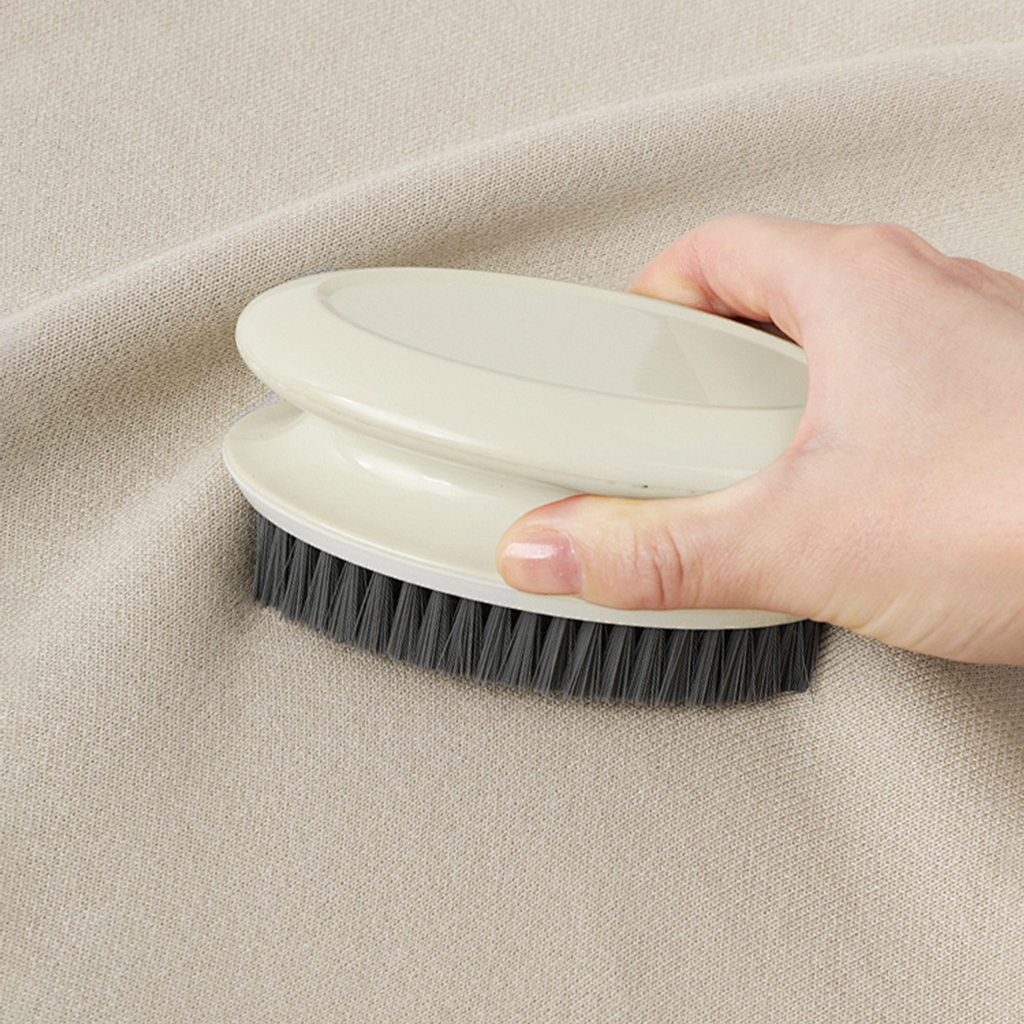
The right answer depends on the brand’s product positioning, customer expectations, and development priorities. If you are planning a hoodie line, the most practical way to decide is to test the fabric inside a real sample and evaluate the final garment as a complete product rather than as a fabric swatch alone.