
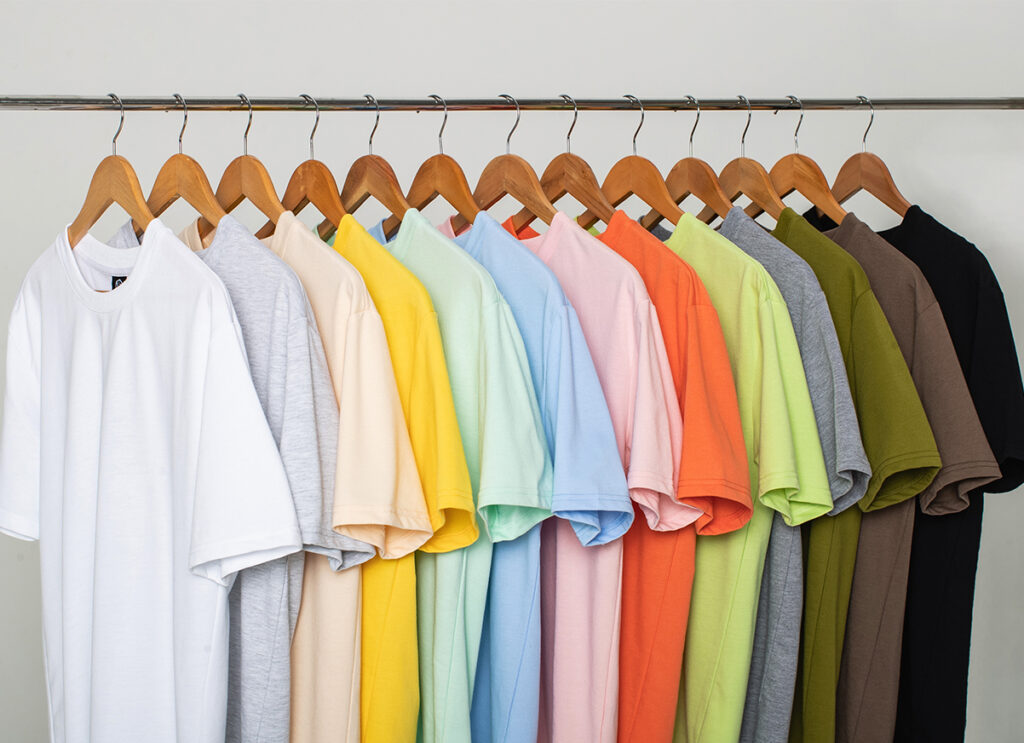
When developing custom t-shirts for private label brands, one of the most important decisions is fabric weight. Fabric weight directly affects comfort, durability, printing quality, and overall product positioning. Understanding how gsm works helps brands choose the right base garment for bulk production and long-term scalability.
What Does Fabric Weight Mean in T-Shirt Manufacturing?
-1024x607.jpg)
Fabric weight is typically measured in grams per square meter (gsm). In custom t-shirt manufacturing, gsm indicates how heavy and dense the fabric is. A higher gsm usually means a thicker, more structured fabric, while a lower gsm offers a lighter and more breathable feel.
For brands planning bulk production, fabric weight is not just a design choice—it also impacts cost control, inventory planning, and customer expectations.
Common Fabric Weights Used in Custom T-Shirts
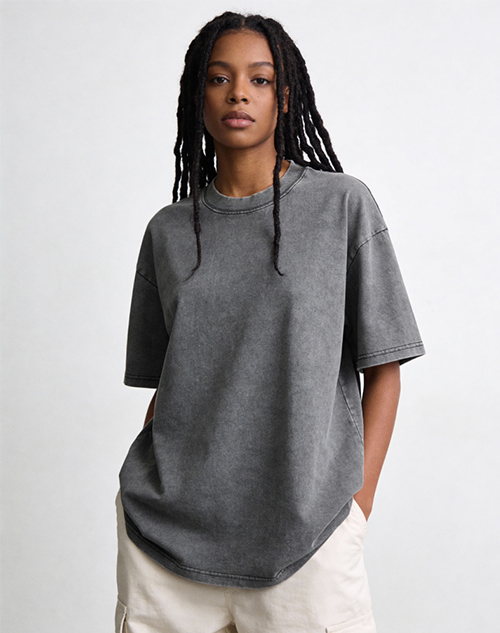
230gsm Cotton T-Shirts
230gsm is considered a balanced option between comfort and durability. It provides enough structure for everyday wear while remaining breathable, making it suitable for promotional apparel, uniforms, and entry-level private label collections.
This weight is often used when brands want a reliable, cost-effective option that performs well in bulk manufacturing.
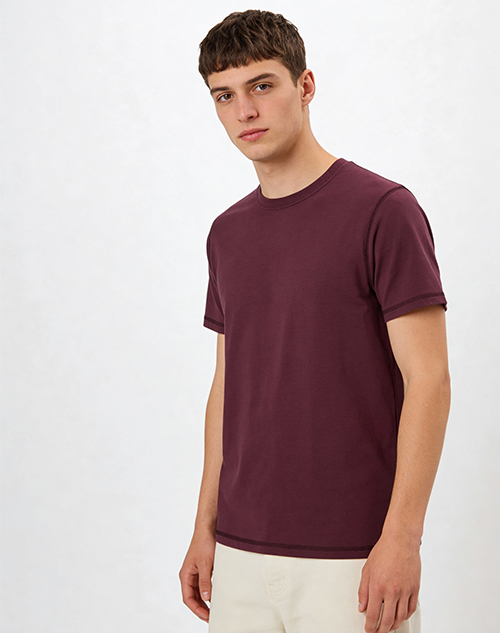
270gsm Heavyweight Cotton T-Shirts
270gsm offers a more substantial hand feel and improved shape retention. This fabric weight is commonly chosen for brands that want a premium look without moving into overly heavy garments.
It is well suited for custom logo printing and embroidery, especially when consistency across large production runs is required.

300gsm Heavyweight Washed T-Shirts
300gsm and above fall into the heavyweight category. These t-shirts are designed for durability, structure, and a more pronounced silhouette. When combined with washed or vintage finishes, this weight is often used in higher-end streetwear or long-term core collections.
How Fabric Weight Affects Printing and Branding
Fabric weight plays a critical role in how logos and graphics perform on t-shirts. Heavier fabrics generally provide a more stable surface for screen printing and embroidery, reducing distortion and improving durability.
For brands planning private label programs, selecting the right gsm helps ensure branding remains consistent throughout repeated washing and long-term use.
Choosing the Right Fabric Weight for Bulk Production
When selecting fabric weight, brands should consider:
- Target market positioning
- Intended use (promotional, retail, or uniform)
- Printing or embroidery requirements
4.Budget and MOQ constraints
Choosing the appropriate gsm early in the sampling stage helps avoid rework, delays, and unnecessary production costs during bulk manufacturing.
How Fabric Weight Applies to Custom T-Shirt Manufacturing
From a manufacturing perspective, offering multiple fabric weight options allows brands to scale product lines efficiently. Clear gsm selection supports standardized production, quality control, and consistent results across different order sizes.
Understanding fabric weight is a foundational step in building reliable private label and custom apparel programs.
This article provides a general overview of fabric weight considerations. For a deeper manufacturing comparison and gsm selection guidance, see related articles below.
Related Products
- 230gsm Cotton T-Shirts
- 270gsm Heavyweight T-Shirts
- 300gsm Heavyweight Washed T-Shirts
[Recommend to read]