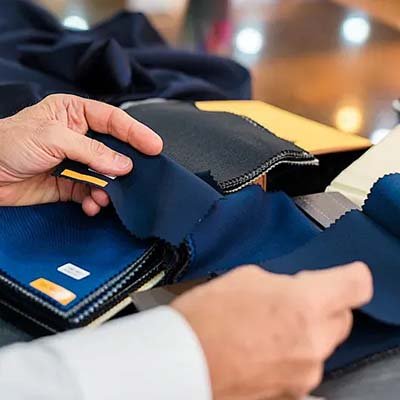
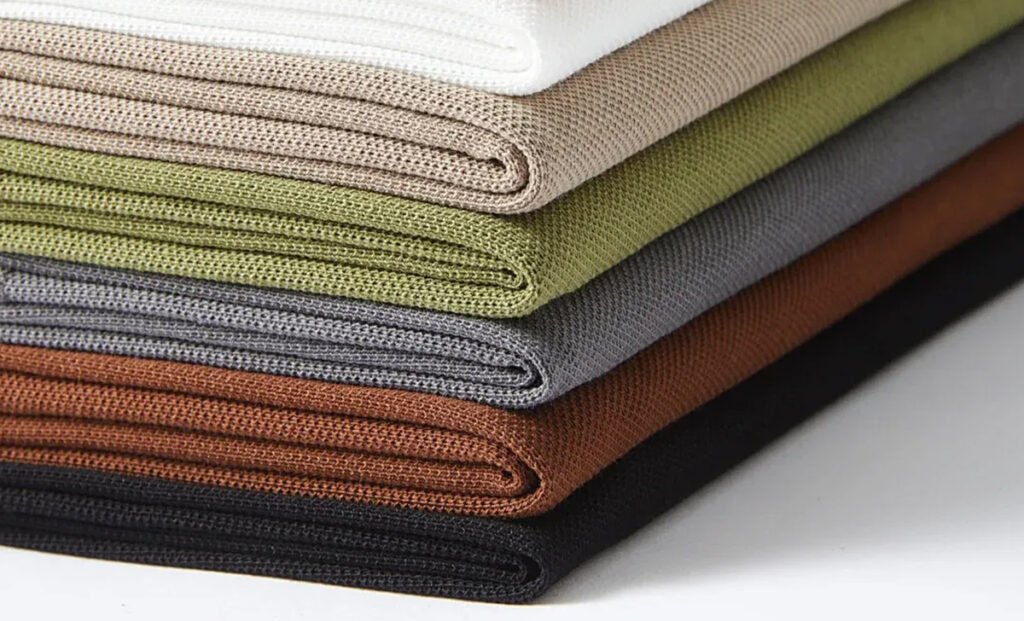
Choosing the right GSM for custom T-shirts is not just about deciding whether the fabric feels light or heavy. For brands, GSM affects fit structure, price range, print performance, and even how the final garment is perceived by customers. When planning a new collection, it is usually more effective to choose GSM based on brand positioning, intended use, and production strategy.
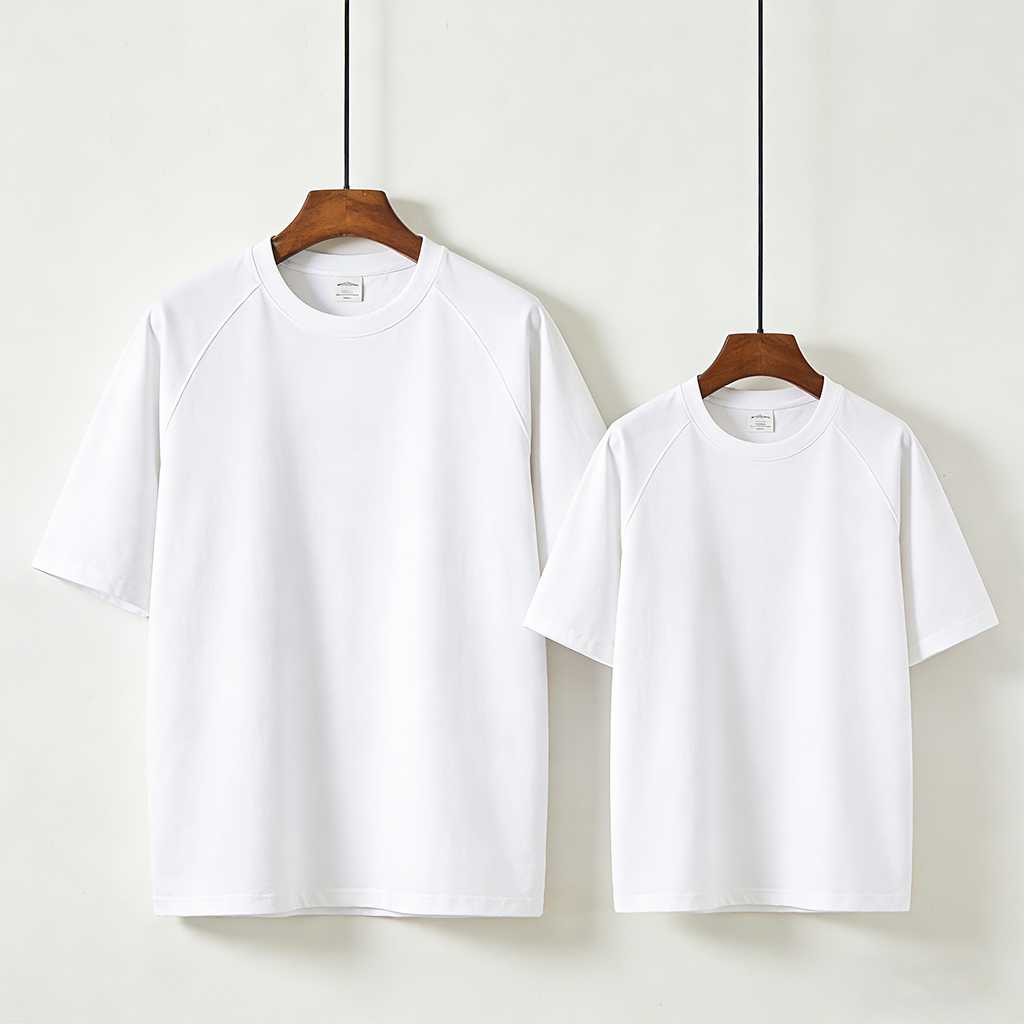
Many early-stage buyers assume that a heavier fabric automatically means a better T-shirt. In reality, the right weight depends on the market, silhouette, decoration method, and overall product goal. A T-shirt that feels perfect for premium streetwear may not be right for a broad commercial release, and a fabric that works well for one graphic concept may feel wrong for another. This is why GSM selection should be part of a bigger development conversation.
Why GSM Matters in Custom T-Shirt Development
GSM plays a major role in how a garment feels, looks, and performs. It influences drape, body, hand feel, and the visual strength of the silhouette. In custom T-shirt development, these details matter because they shape both the product identity and the end customer’s perception of quality.
It also affects production decisions. GSM can influence print handling, washing results, packaging weight, and cost planning. For brands working with low MOQ production or sample-based development, the wrong fabric weight can create unnecessary revisions and delays. Choosing the right GSM early helps make the development process smoother and more efficient.
Choosing GSM by Brand Positioning

Different brands need different fabric weights. A lightweight or midweight option may work better for commercial basics, summer collections, or broader customer groups, while heavier fabrics are often preferred for premium streetwear and fashion-forward oversized T-shirts. The right GSM depends on how the brand wants the garment to feel, look, and perform after decoration and washing.
This is why GSM selection should begin with the product story. Is the T-shirt meant to feel crisp and structured, or softer and more versatile? Is it intended as a graphic-heavy statement piece, or as an everyday blank that can work across seasons? Once those questions are answered, the weight decision becomes much more practical.
How Decoration Methods Influence GSM Selection
GSM should also be evaluated together with decoration methods and garment silhouette. Some brands focus too much on thickness and ignore how the fabric interacts with print placement, collar shape, and drape. In custom development, it is usually better to review GSM alongside fit samples and decoration requirements, especially for oversized or structured T-shirt programs.
For example, bold graphics may benefit from a fabric that provides more body and a stronger surface presence, while lightweight commercial tees may need a softer and more flexible base. Embroidery, heat transfer, and specialty finishing can also change how the final garment feels. The more decoration matters to the concept, the more carefully GSM should be tested within the full product setup.
GSM Selection for Low MOQ Sampling
For low MOQ projects, sampling is often the safest way to compare GSM options before committing to bulk production. Testing two or three weights side by side can help brands understand the difference in hand feel, silhouette, shrinkage response, and overall market positioning. This reduces the risk of selecting a fabric that looks good on paper but does not perform well in the final garment.
Sampling also helps clarify trade-offs. A slightly lighter weight may improve comfort and commercial flexibility, while a heavier option may increase structure and perceived premium value. Seeing these differences in actual samples is much more useful than trying to make the decision from fabric descriptions alone.
How Climate, Fit, and Market Affect the Right GSM
The right GSM depends heavily on where and how the garment will be sold. Warmer markets often respond better to lighter or midweight fabrics, while colder regions or premium streetwear segments may be more open to heavyweight T-shirts. Fit also matters. An oversized or boxy silhouette often benefits from more structure, while a closer commercial fit may feel better in a lighter construction.
Brands should also think about repeat purchase behavior. If the product is meant to be an everyday essential, wearability across multiple situations may matter more than maximum weight. If it is meant to feel distinctive and premium, a heavier GSM may help support that identity. The goal is to align fabric weight with the real buying context of the collection.
Common Mistakes Brands Make When Choosing GSM
One common mistake is assuming that heavier always means better. Another is choosing fabric weight before finalizing the fit and decoration approach. Some brands also ignore how GSM influences price perception and margin planning, focusing only on feel without considering production strategy.
A more effective approach is to evaluate GSM as part of the complete garment system. Fabric weight should work together with shape, print, use case, and market expectations. When those elements are aligned, the final T-shirt feels intentional rather than accidental.
Conclusion
Choosing the right GSM for custom T-shirts is really about making a better product decision, not simply selecting a number. The best fabric weight is the one that supports your fit, your market, your decoration plan, and your price strategy in a coherent way.
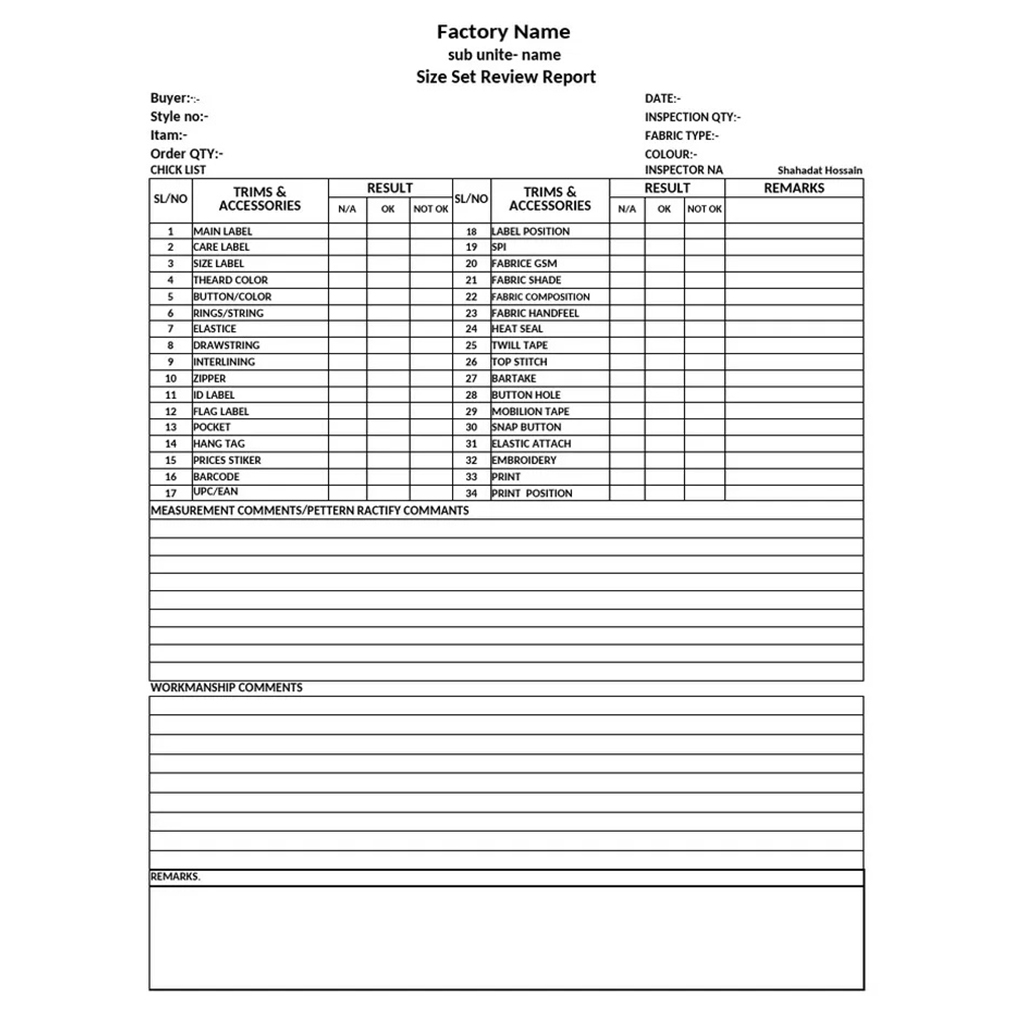
If you are still comparing options, the smartest next step is to test a small range of fabrics through sampling. That gives you a clearer view of what works for your brand and helps you move into production with more confidence.