A tech pack is one of the most useful tools a clothing brand can prepare before sampling or bulk production. It gives the manufacturer a clear technical reference for how the garment should be made, which reduces misunderstanding, shortens revision cycles, and helps keep development aligned from the first sample onward.
For startup brands, a tech pack does not need to look overly complicated. What matters most is that it communicates the essential information needed to develop the product correctly. A simple, well-organized tech pack is far more useful than a visually polished document that leaves key specifications unclear.
What Is a Tech Pack?
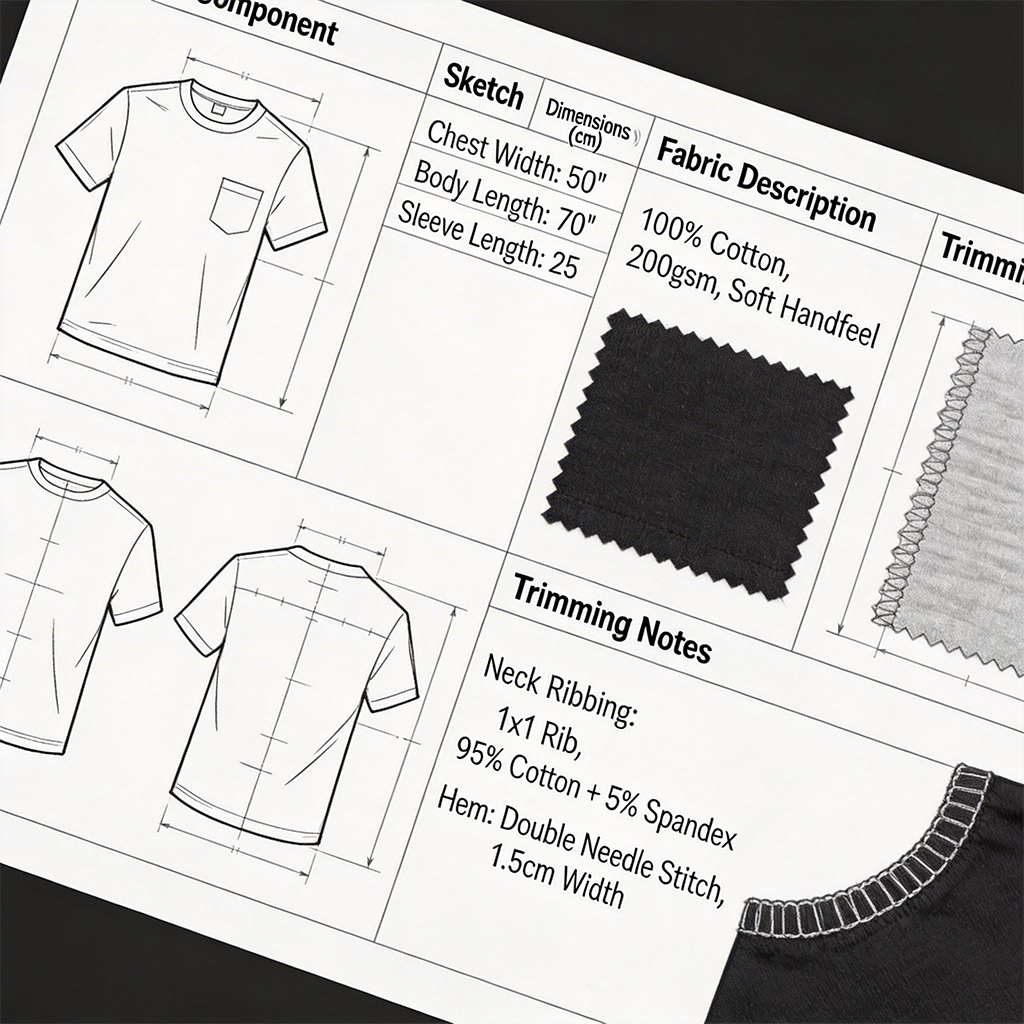
A tech pack is a document that explains how a garment should be made. It usually includes sketches, measurements, fabric details, trim requirements, artwork placement, label instructions, color references, and construction notes. In practical terms, it acts as the blueprint that turns a design idea into a production-ready product.
Manufacturers use tech packs to quote projects, source materials, plan sampling, and standardize bulk production. Without that information, teams often have to make assumptions, which increases the risk of incorrect fit, missing details, or repeated sample changes.
What to Include in a Basic Apparel Tech Pack

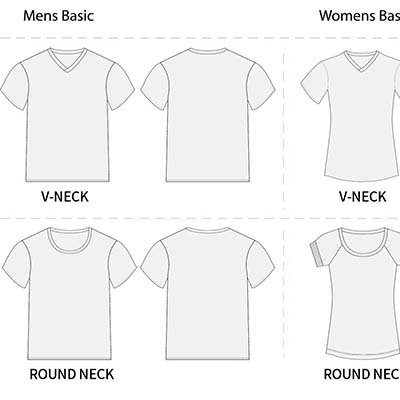
A strong apparel tech pack should cover the main technical decisions that affect how the garment will be produced. Start with a front and back sketch that shows the overall silhouette. Then add a measurement chart, including body dimensions and key point-of-measure references such as chest, length, shoulder width, sleeve length, and cuff opening where applicable.
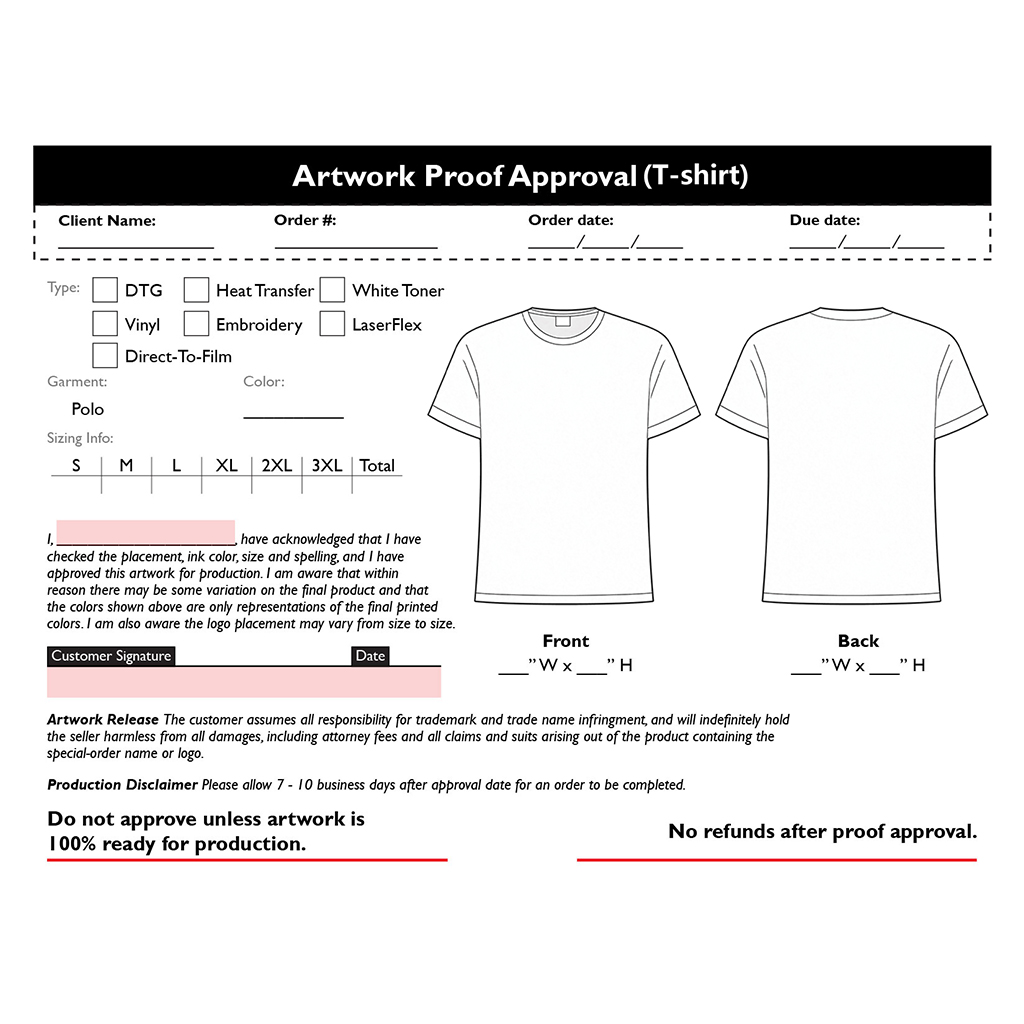
From there, include fabric composition, target GSM, color references, and any wash or finishing notes. Decoration details such as screen printing, embroidery, neck label type, woven labels, hang tags, and packaging instructions should also be included if they are part of the final product. The goal is to make the garment easy to understand before production begins.
Why Tech Packs Matter in Sampling
During sample development, a tech pack helps both the brand and the factory evaluate whether the sample is moving in the right direction. Instead of giving broad feedback like “make it better” or “the fit feels off,” the team can compare the sample against a clear standard. That makes revisions more efficient and keeps communication grounded in measurable details.
This becomes even more important when the product includes multiple custom elements. The more details a garment has, the more important it is to document them early. A good tech pack lowers development risk and makes the sampling process much easier to manage.
Do Startup Brands Need a Full Professional Tech Pack?
Not always. Many startup brands begin with design references, rough sketches, and comments about fabric, fit, and logo placement. That can still be enough to start a productive conversation with the right manufacturer. However, the clearer the starting document is, the faster the development process usually moves.
If a brand does not have a finished tech pack, it is still useful to prepare a simplified version with key specifications. Even a basic spec sheet can improve communication and help the manufacturer advise on fabric, trims, sampling feasibility, and MOQ planning.
Common Mistakes When Preparing a Tech Pack
One common mistake is focusing too much on artwork while leaving the garment construction vague. Another is giving a reference image without clarifying what should match and what should change. Some brands also forget to include label placement, packaging details, or measurement tolerances, which later creates confusion when the first sample arrives.
A better approach is to separate design inspiration from production instructions. Mood references are helpful, but they should be supported by specific notes that tell the factory what to execute. The more the document answers practical production questions, the more useful it becomes.
How a Better Tech Pack Supports Bulk Production
A tech pack is not just for sampling. Once the sample is approved, the same document helps stabilize bulk production by giving the factory a repeatable reference for grading, trims, and quality control. This is especially valuable for brands that plan to reorder or scale the same style in future drops.
Clear documentation also helps maintain consistency between the approved sample and the production run. That consistency is what turns a one-off sample into a scalable apparel product.
Conclusion
A tech pack does not need to be overly complex to be effective. It needs to be clear, practical, and detailed enough to support good communication with the manufacturer. For most clothing brands, that clarity is what saves time, reduces revisions, and improves the final product.
If you are preparing your next apparel project, investing time in a clear tech pack will make sampling easier and bulk production more predictable. It is one of the simplest ways to build a smoother development process from the start.