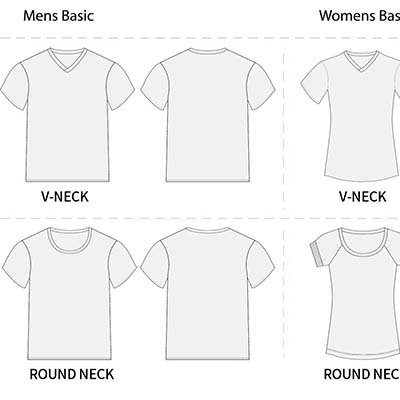
For many apparel brands, the first sample feels like the finish line. In reality, it is the checkpoint that determines whether the product is ready for bulk production or still needs adjustment. A proper sample review process helps brands catch fit issues, construction problems, decoration mistakes, and expectation gaps before those issues become expensive in production.
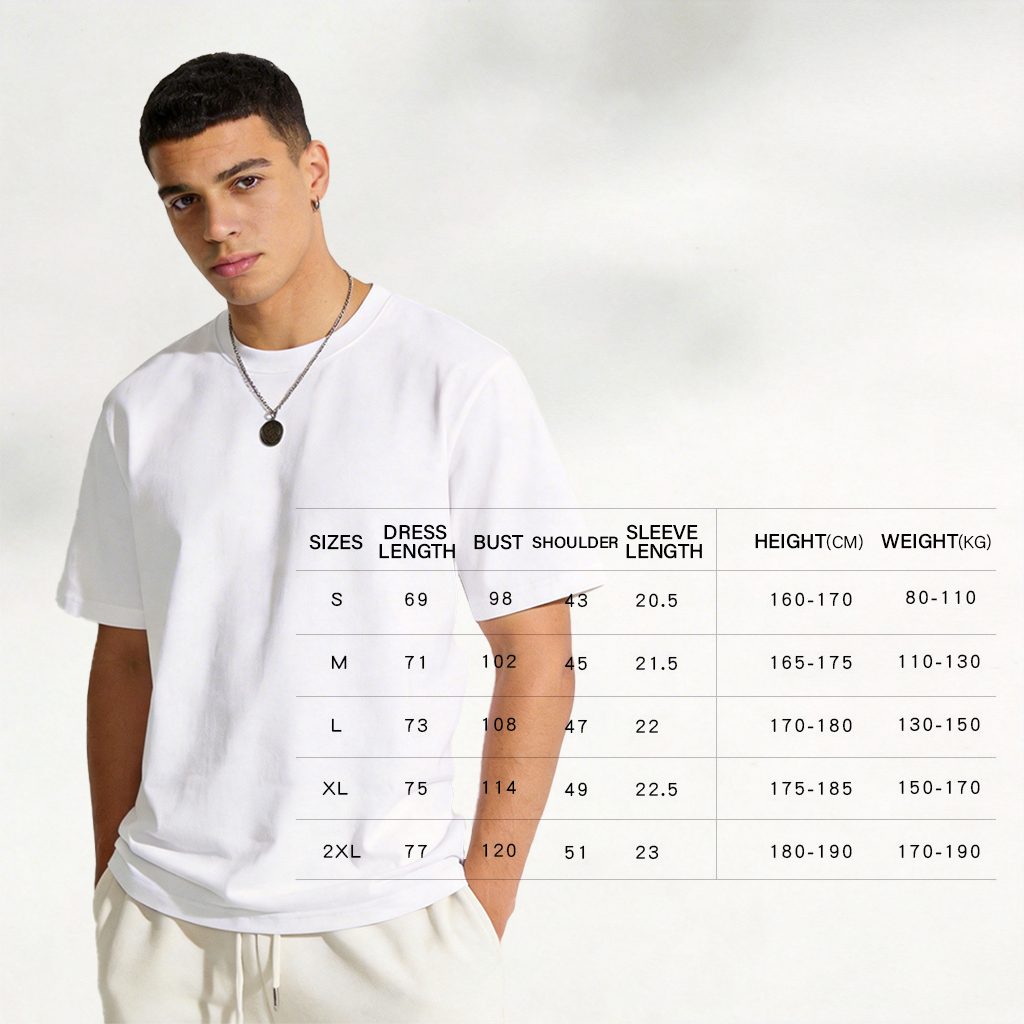
This stage matters even more for startup brands and low MOQ projects. When quantities are smaller, every piece has a higher value, and a weak approval process can lead to avoidable rework. A structured sample review gives brands more confidence before they commit to production.
What Sample Review Should Actually Cover
A sample should be reviewed as a complete product, not just as a garment shell. That means checking silhouette, measurements, fabric hand feel, trim execution, logo placement, label details, wash effect, packaging requirements, and the overall market impression. The best review is not only technical. It also asks whether the garment actually feels like the product the brand intended to launch.
Many problems appear small when reviewed one by one but become important when seen together. Slightly off sizing, a weaker collar shape, and an underwhelming print may each seem minor, but combined they can reduce the value perception of the final product. That is why the whole garment should be assessed as one system.
Key Areas to Check During Sample Approval
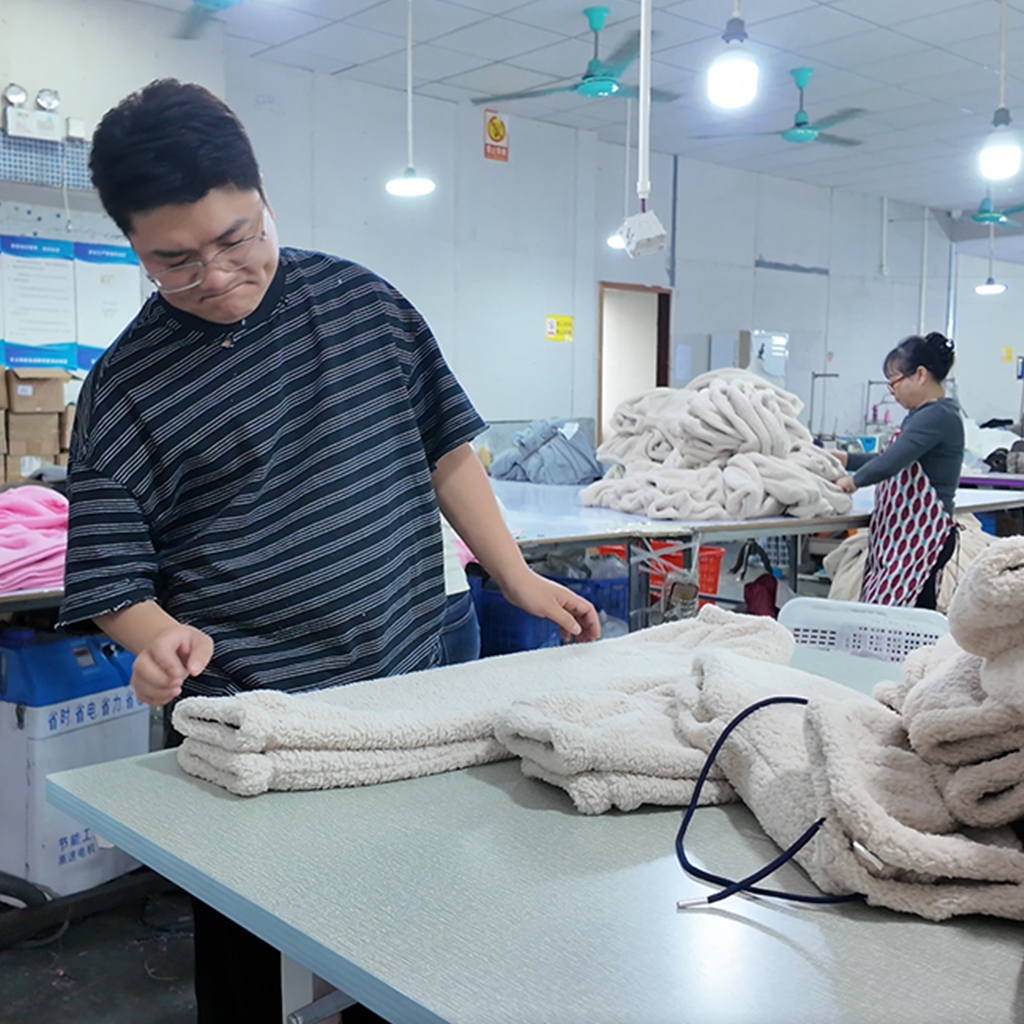
The first area is measurements. Brands should compare the sample directly against the approved size chart and confirm whether the silhouette matches the intended fit direction. The second is construction quality, including sewing cleanlines, seam symmetry, neckline structure, rib recovery, and finishing quality. The third is branding execution, such as print sharpness, embroidery density, label placement, and packaging details.
Fabric performance should also be reviewed carefully. Check whether the chosen material gives the correct drape, weight, softness, and overall market feel. If the garment includes washing or dye effects, confirm whether the finish looks intentional and commercially usable rather than simply different from the reference.
How to Give Better Sample Feedback
Vague comments create slow revisions. Instead of saying “make the fit better,” it is more useful to give measurable or visual feedback such as “increase body length by 2 cm,” “make the collar slightly tighter,” or “move the chest print 1 cm higher.” Specific feedback reduces interpretation gaps and helps the factory respond more accurately in the next revision.
It is also smart to prioritize changes. Separate critical corrections from optional refinements so the next sample round stays efficient. When feedback is organized clearly, the development cycle becomes much easier to control.
When One Sample Is Enough and When Another Revision Is Needed
Some garments are simple enough to move forward after one strong sample review. Others need another revision before bulk production should begin. If the core fit, fabric, decoration, or visual identity is still not aligned, it is usually safer to revise the sample than to push forward too early.
This is especially true for custom garments with multiple brand details. Small inconsistencies that seem manageable in a sample often become much harder to correct once production starts. Careful sample approval is what protects bulk quality later.
Why Sample Review Matters for Bulk Consistency
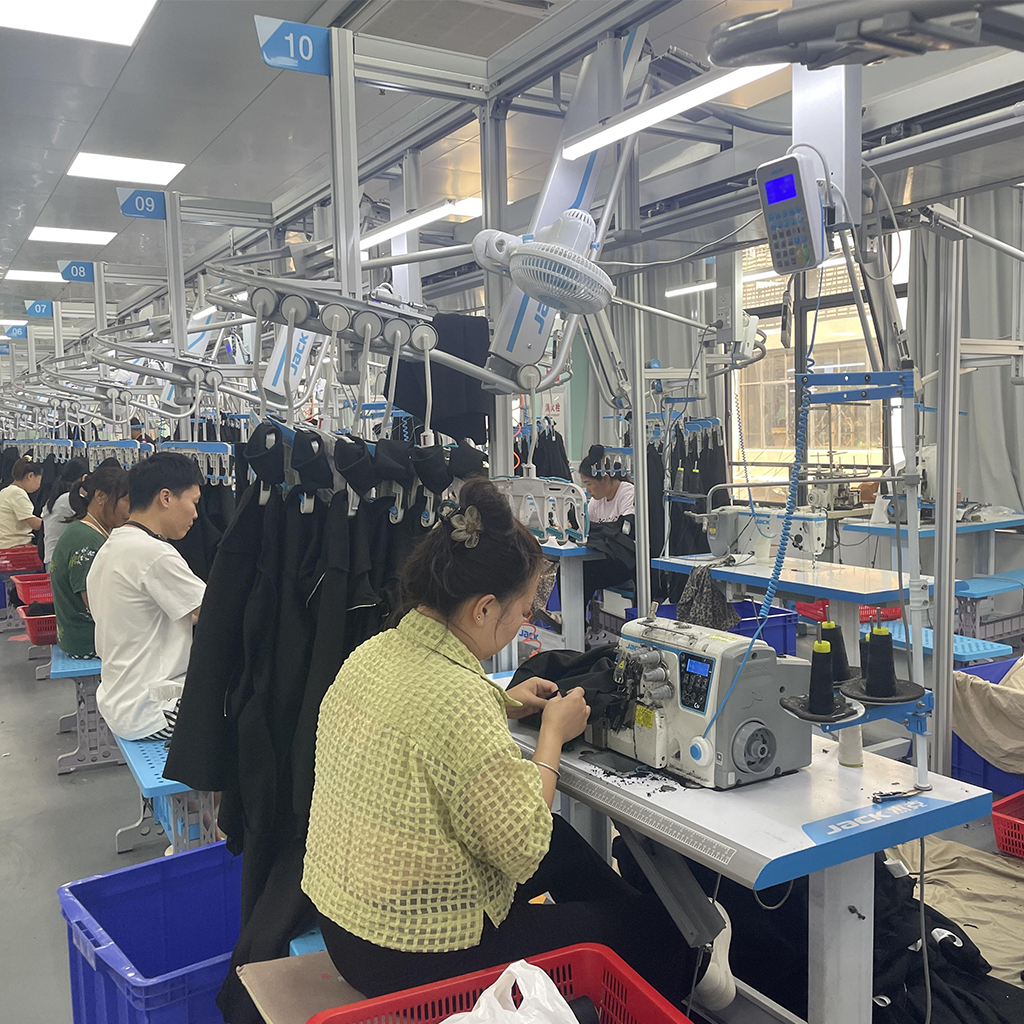
An approved sample becomes the main reference point for production. It guides measurement tolerance, material preparation, sewing execution, and final quality checks. When the sample is reviewed properly, it creates a stronger baseline for the production team. When it is approved too quickly, bulk output can drift from what the brand expected.
This is why brands should treat sample review as part of production planning, not as a separate creative step. A clear approval process supports better consistency, fewer surprises, and smoother communication once the order moves into bulk manufacturing.
Conclusion
Sample processing and review are where good product ideas become production-ready garments. This stage helps brands confirm whether the fit, fabric, branding, and finishing details are truly ready for scale. It is one of the most important control points in the apparel development process.
Before approving bulk production, make sure the sample has been reviewed from both a technical and commercial perspective. That extra discipline usually leads to stronger products and more stable manufacturing results.