
Snow washed cotton fabric is often associated with vintage texture and a worn-in visual effect, but for brands, the value of this fabric goes beyond appearance alone. It also affects print presentation, garment consistency, and how a vintage T-shirt line performs in production. For brands developing washed streetwear pieces, understanding these production considerations is just as important as understanding the finish itself.
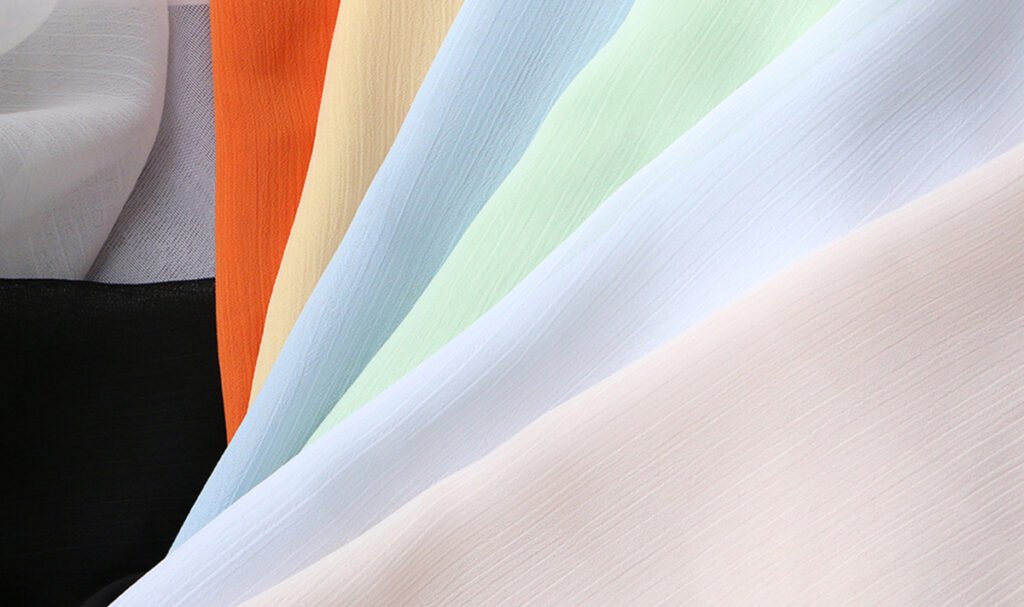
In many cases, snow washed garments are attractive because they look lived-in and distinctive without requiring complicated styling. However, that visual identity also brings development questions. Brands need to consider how much variation is acceptable, how decoration will behave, and how the washed effect aligns with the overall product concept.
What Is Snow Washed Cotton?
Snow washed cotton usually refers to cotton fabric or garments that have gone through a wash process designed to create a faded, textured, and vintage-inspired surface effect. The result often includes uneven tone, a softened hand feel, and a look that feels more aged or broken-in than standard dyed cotton.
This effect is popular in streetwear, vintage-style T-shirts, and fashion programs where the garment itself contributes to the story of the product. Rather than looking perfectly clean and flat, snow washed cotton often brings visual depth and character that can make a blank garment feel more intentional.
Why Brands Choose Snow Washed Fabric
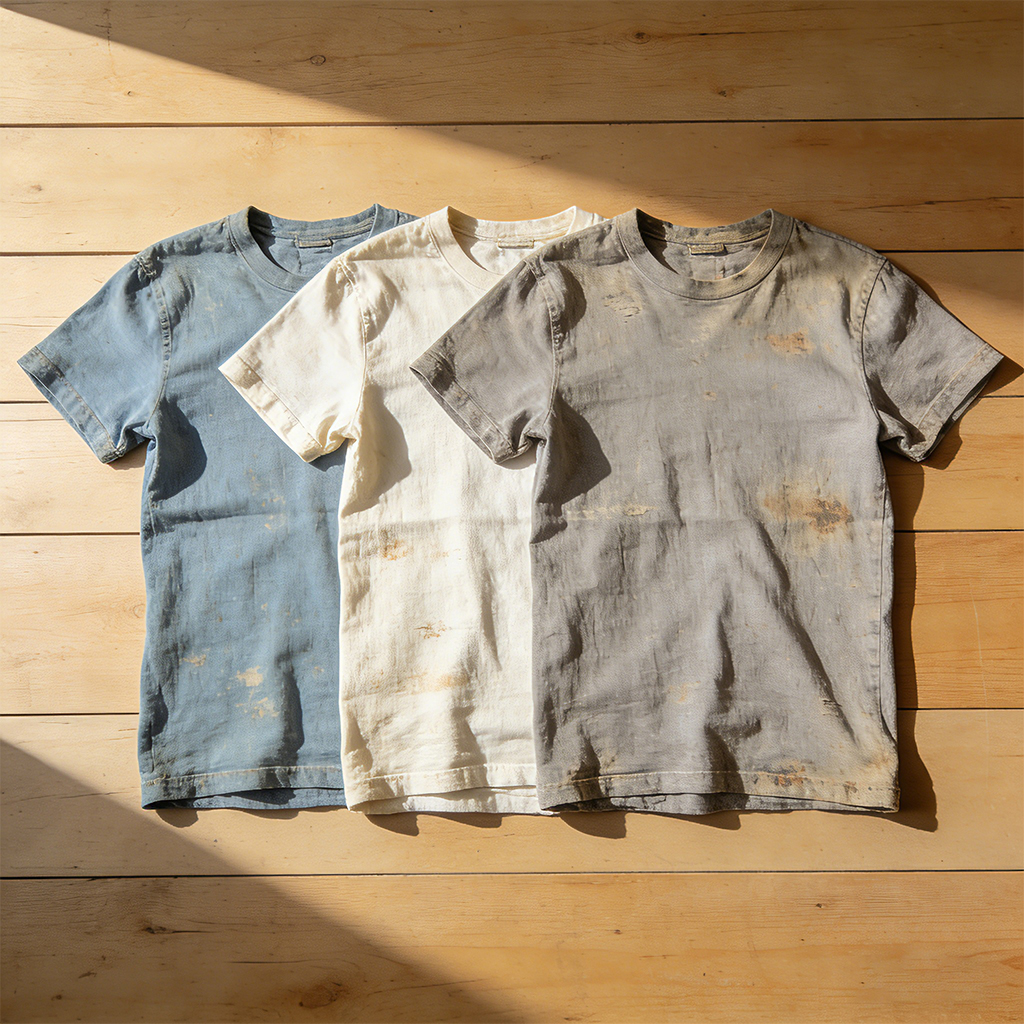
Snow washed fabric is usually a strong option for brands looking to create vintage-inspired T-shirts with visual texture and a more aged surface character. It works especially well for collections where the garment itself is meant to feel like part of the design story. This can be especially relevant for streetwear, music merchandise, and premium casualwear collections.
Brands often choose snow washed cotton because it immediately differentiates the garment from standard blanks. Even before decoration is added, the fabric already carries a visual mood. That can make the final product feel more complete and easier to position as a premium or fashion-driven item.
Best Use Cases for Snow Washed T-Shirts

Snow washed garments are often best suited for products where slight variation supports the concept rather than undermines it. Vintage-inspired graphics, faded aesthetics, distressed branding, and old-school silhouettes all tend to work well with this type of surface finish. The more the garment is meant to feel character-driven, the more useful the wash can become.
However, this fabric is best used when the brand has a clear understanding of how much wash variation is acceptable in the final look. If the collection demands a highly consistent, sharp, and uniform visual identity, snow washed fabric may require more careful expectation setting during development.
Printing and Embroidery Considerations
Decoration planning matters when using snow washed fabric. Since the surface already has a distressed and textured appearance, brands should evaluate whether the print style, ink density, or embroidery effect will match the final garment aesthetic. In development, it is often useful to test artwork directly on the intended wash base rather than assuming the result will match a standard cotton blank.
Some graphics may look better when they lean into the vintage direction, while clean or high-contrast artwork may need adjustment to feel natural on the washed surface. The interaction between wash texture and decoration is one of the most important areas to review during sampling.
Bulk Production Notes for Vintage Apparel
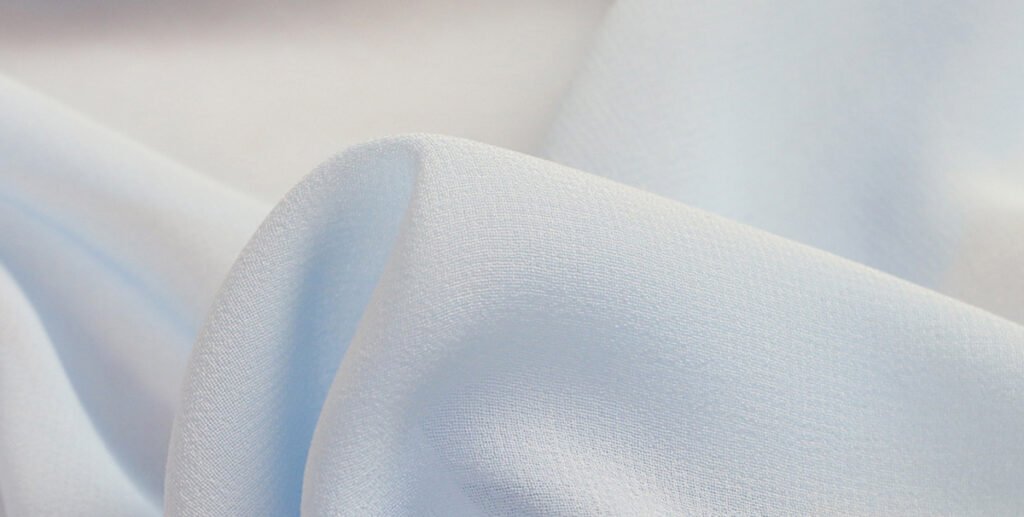
In bulk production, washed fabrics require stronger expectation management. Brands should understand that slight variation in tone and surface texture can be part of the character of the product, but those variations still need to stay within an acceptable range. This is why sampling and wash approval are especially important for vintage-style programs before scaling into larger production runs.
A good production plan for snow washed garments includes clear reference samples, visual approval standards, and realistic communication about what is considered normal variation. When those expectations are aligned early, the final bulk order is much easier to manage.
Is Snow Washed Cotton Right for Your Brand?
Snow washed cotton works best when the wash effect supports the story of the product rather than acting as a random trend detail. Brands that want a more expressive, textured, and vintage visual identity often benefit the most from it. It can elevate a blank garment into something that already feels styled before printing is even applied.
The key is to decide whether that finish fits your customer, your brand language, and your production priorities. If it does, snow washed cotton can become a very strong tool for building a more distinctive apparel line.
Conclusion
Snow washed cotton fabric is more than a surface treatment. It is a design and production choice that affects the look, feel, and consistency of the final garment. For brands that want a worn-in, vintage-inspired direction, it can add strong visual identity and emotional value to a T-shirt or streetwear program.
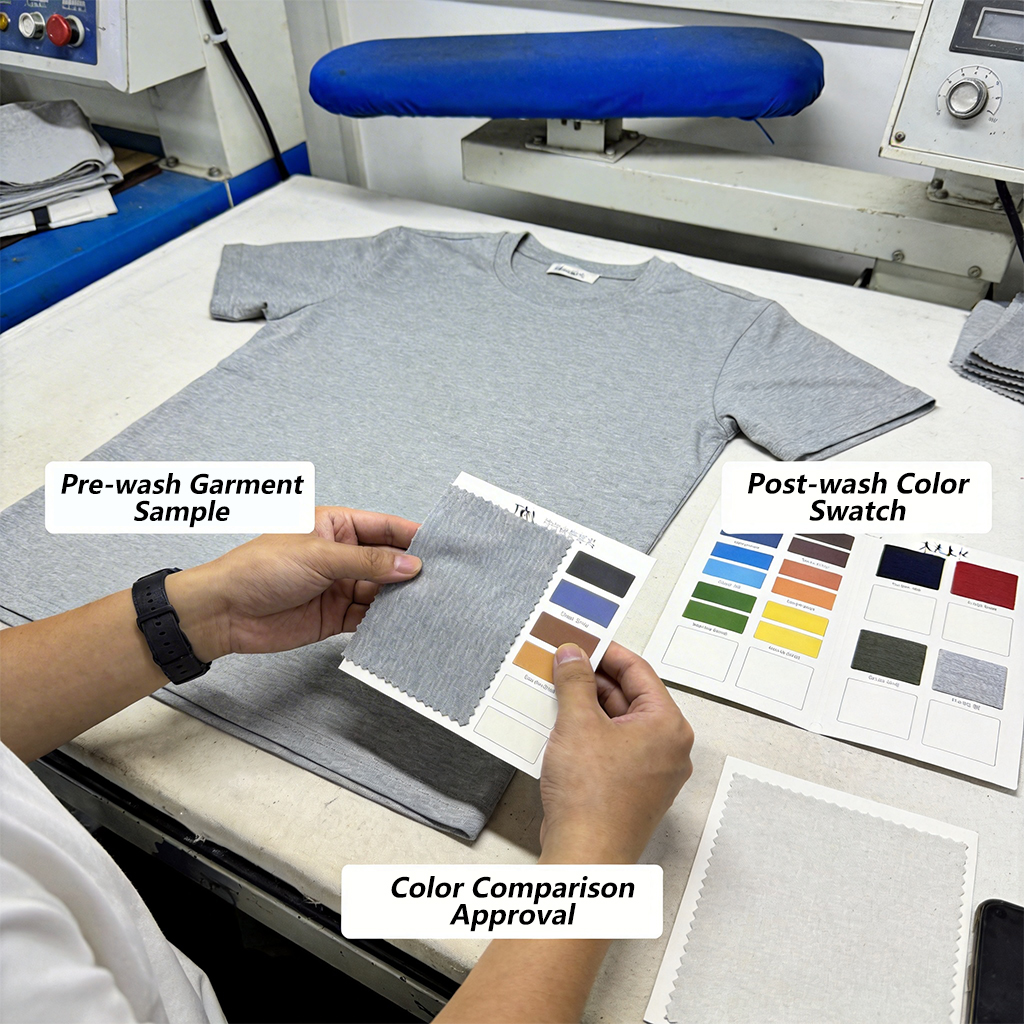
The most effective way to work with snow washed cotton is to treat it as part of the full product system. That means reviewing wash effect, decoration, and acceptable variation together during sampling before moving to bulk production.