
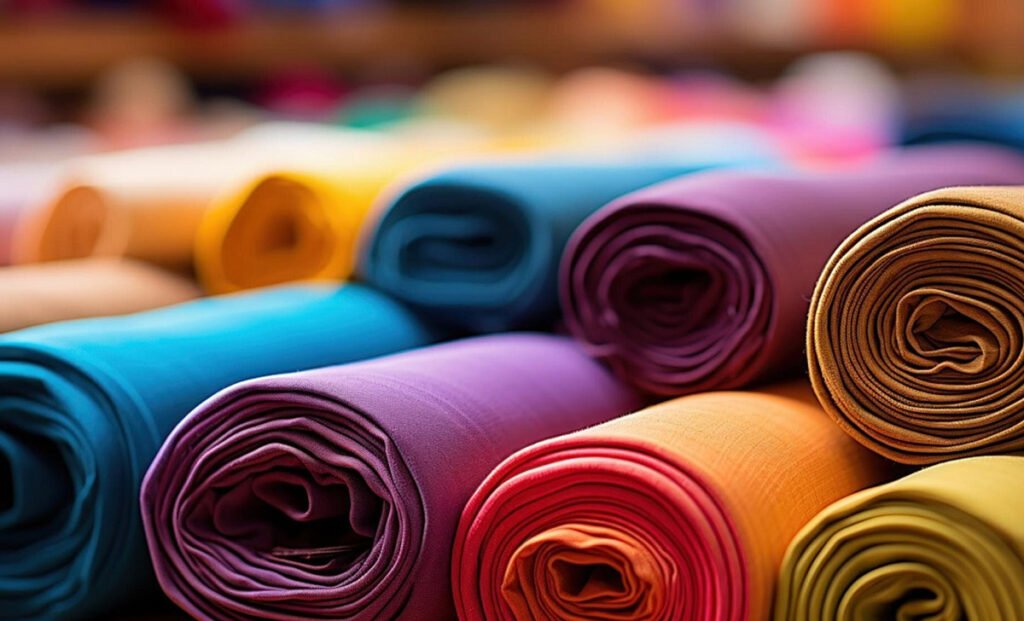
Fabric weight has a major influence on how a T-shirt feels, fits, and performs in production, which is why many brands focus on GSM early in development. However, the relationship between fabric weight and fabric type is not always absolute. In real manufacturing decisions, both need to be evaluated together based on product positioning, intended use, and how the final garment is supposed to perform.
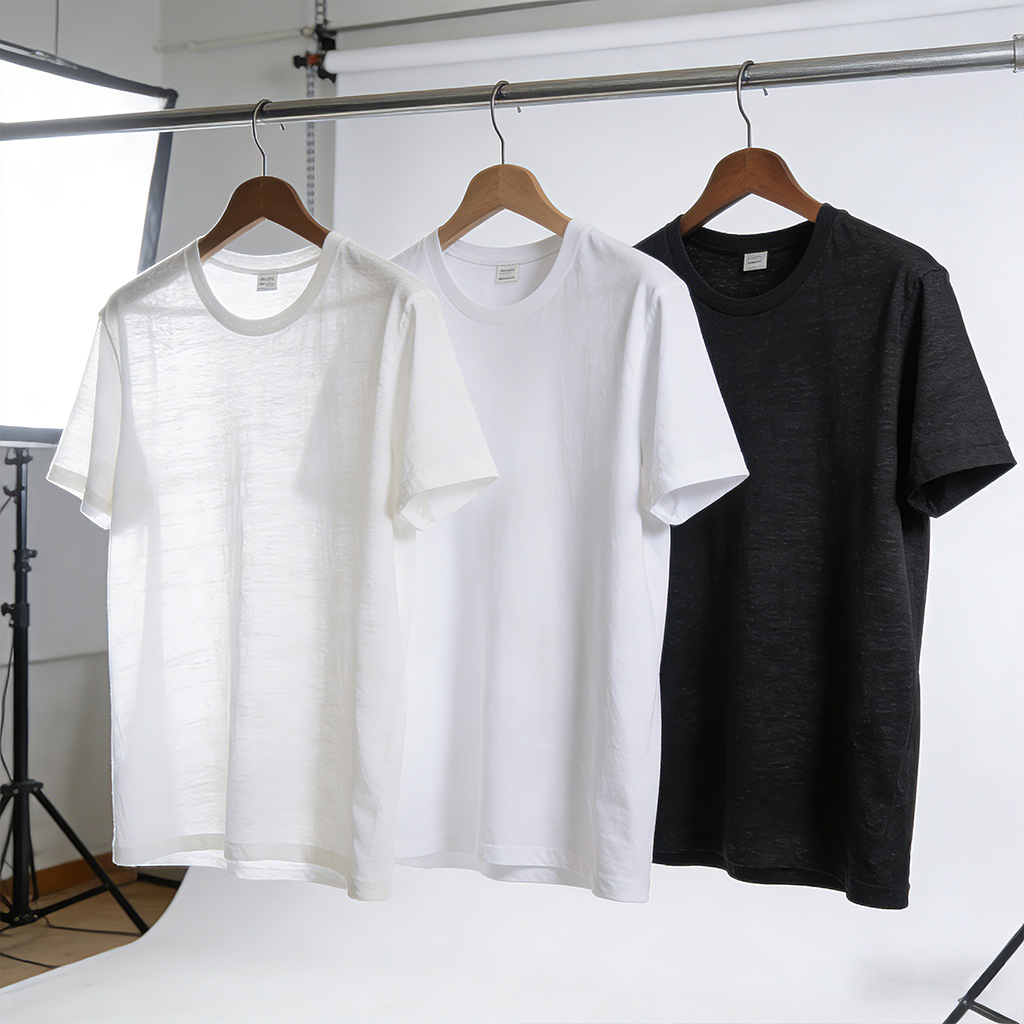
That said, there are many situations where fabric weight becomes the more practical starting point. This is especially true when brands are evaluating silhouette, premium feel, print support, and how the final T-shirt will sit within a commercial lineup. For many T-shirt programs, weight shapes the product outcome more immediately than the name of the fabric itself.
Why Fabric Weight Has Such a Strong Impact
Fabric weight influences drape, body, opacity, and overall garment perception. A lightweight T-shirt may feel casual, soft, and flexible, while a heavier T-shirt can feel more substantial, structured, and premium. These differences are immediately noticeable in both the product and the customer experience.
From a development perspective, weight often determines whether a T-shirt feels like a mass-market basic or a more intentional branded product. It can change how the garment supports graphics, how the neckline sits, and how the body holds shape after washing. Because these are highly visible factors, fabric weight often becomes one of the most important tools for shaping the final outcome.
When Fabric Type Matters More
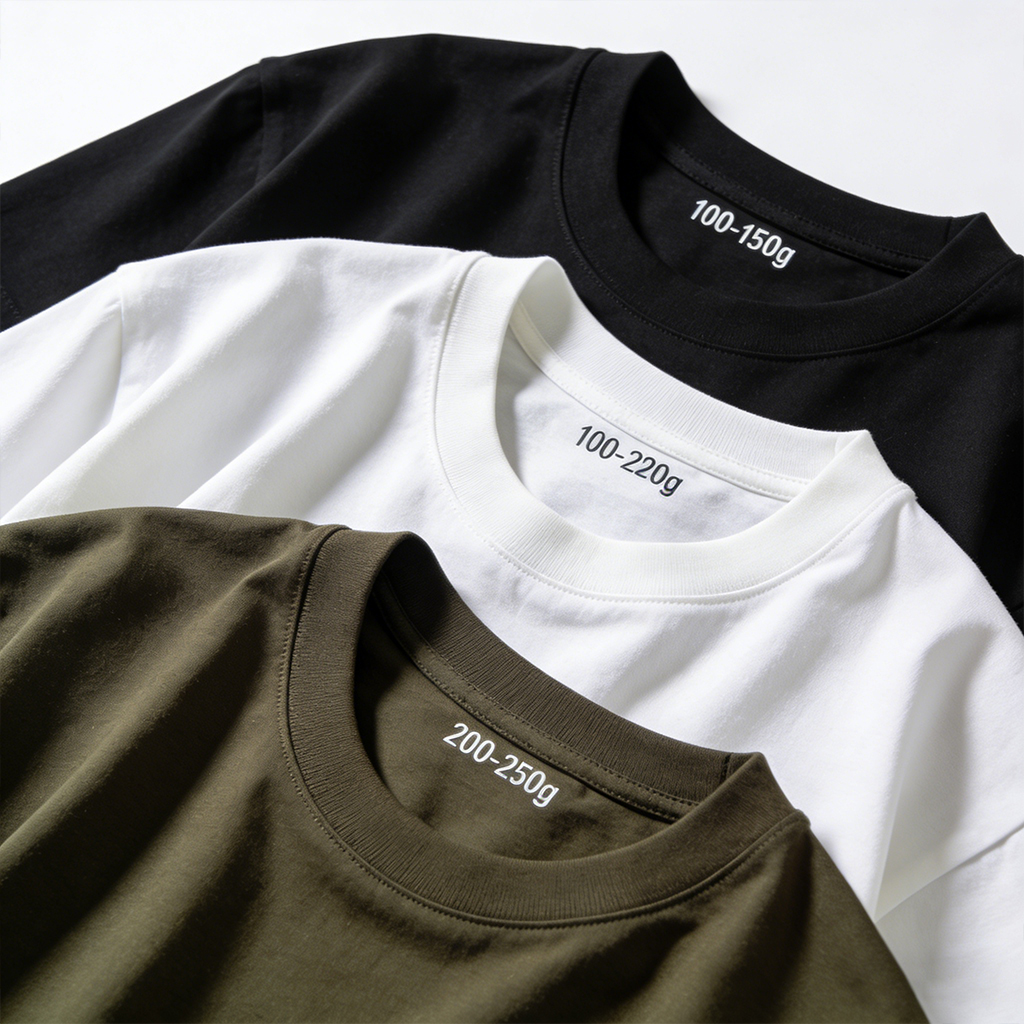
There are cases where fabric type matters more than GSM. Moisture behavior, softness, surface texture, and end-use performance can all depend heavily on the composition and knit structure of the fabric. If the garment is designed for a specific wearing environment or performance expectation, the material itself may carry more importance than weight alone.
For example, if the product must emphasize breathability, stretch, or a particular hand feel, composition may become the lead factor. In those cases, brands need to think carefully about the role of the material rather than focusing only on density.
When GSM Matters More for Production
For many T-shirt programs, GSM becomes the more practical starting point because it directly affects silhouette, hand feel, and product positioning. Brands developing structured streetwear tees, premium blanks, or graphic-heavy products often pay close attention to fabric weight because it influences how the garment holds shape and supports decoration in production.
In these situations, a small change in GSM can have a stronger visible effect than a small change in fiber description. That is why many apparel teams begin development by comparing weight ranges first, then narrowing down the best composition or finish once the desired structure is clearer.
How Weight Affects Commercial Positioning
Weight can also change how a product is sold and perceived. A heavier T-shirt often signals premium intent, while a lighter or midweight T-shirt may feel more commercial and broadly wearable. This matters because product positioning is not just about technical construction. It is about how the customer experiences value.
Brands should think about whether the T-shirt is meant to be an everyday essential, a fashion-forward statement piece, or a premium blank base. Fabric weight can help communicate that message quickly, which is one reason it carries so much strategic importance.
How Brands Should Evaluate Both
The most reliable way to evaluate fabric is to review GSM and fabric type together. Instead of treating one as always more important, brands should compare composition, weight, end use, fit goal, and print requirements as one complete system. This leads to better sample decisions and more stable bulk outcomes.
In practice, the smartest process often starts with asking what the T-shirt needs to do. Once the product direction is clear, it becomes easier to decide whether weight should lead the decision or whether the fabric type itself should take priority.
Conclusion
Fabric weight matters more than fabric type in many T-shirt programs because it shapes structure, premium feel, and product identity in a very direct way. But that does not mean fabric type is irrelevant. The best results come from evaluating both factors together in relation to the actual product goal.
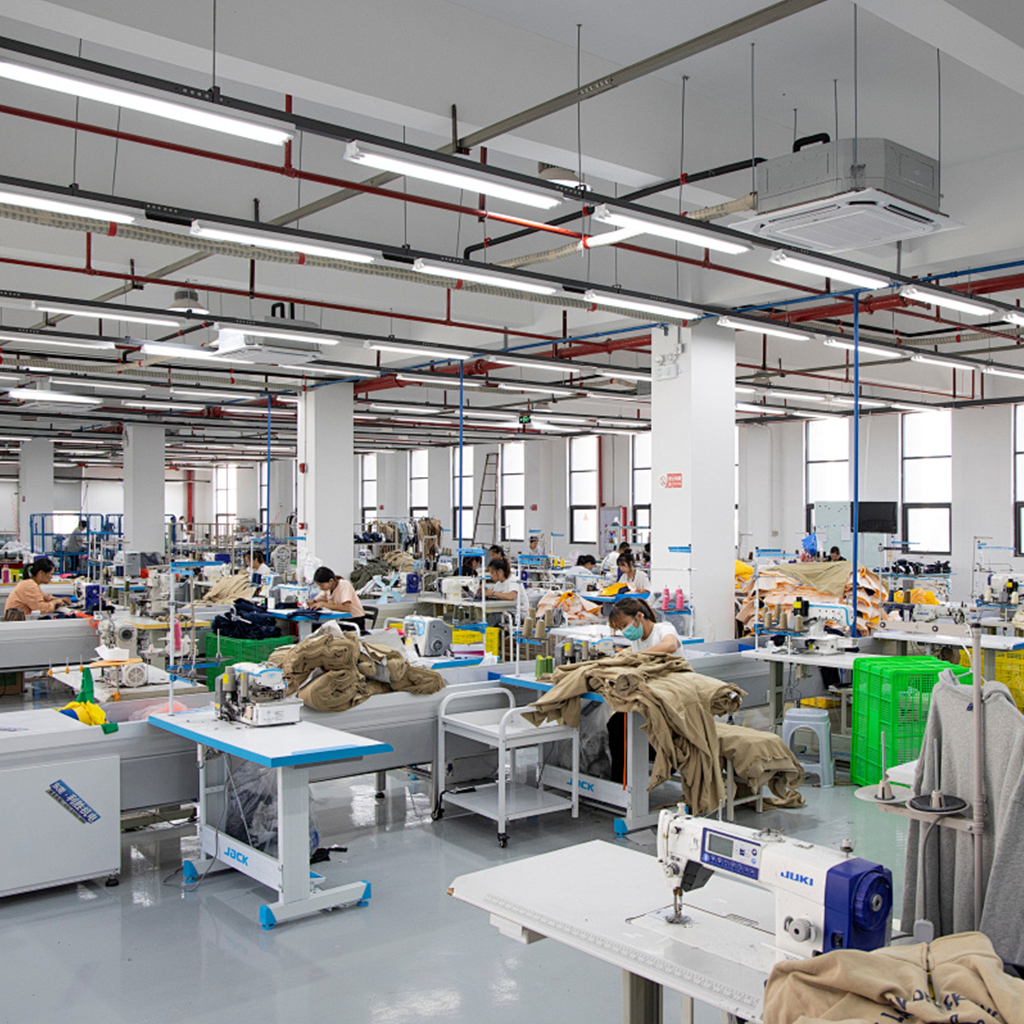
If a brand wants to make stronger fabric decisions, the most useful next step is to compare real sample garments rather than relying only on technical descriptions. That is the clearest way to see how fabric weight and fabric type work together in the final product.